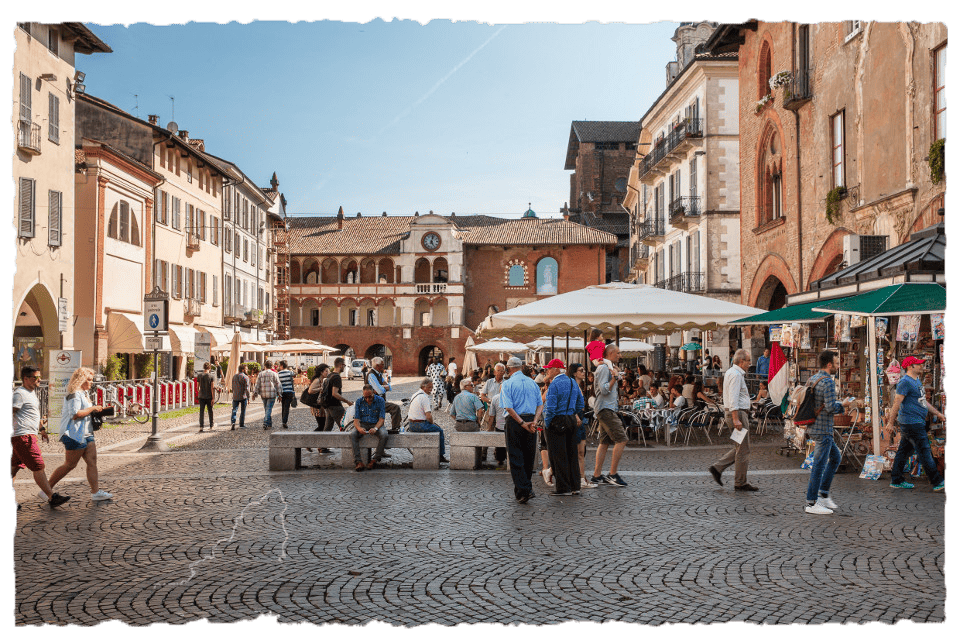
Join us in one of Italy’s most charming cities for the Music & the Brain Summer School, taking place at the University of Pavia from June 22 to June 26, 2026.

Music is a window into how the brain thinks, feels, and heals. The Music & the Brain Summer School explores the fascinating intersection of neuroscience and music, an increasingly interdisciplinary field that connects fundamental research with real-world applications.

The program welcomes undergraduate and PhD students, as well as early-career researchers and professionals interested in understanding how music shapes cognition, emotion, and behavior. Participants will explore the neural mechanisms underlying music perception, movement, emotion, and social cognition. They will gain hands-on experience with neuroimaging techniques, learn from clinicians applying music-based interventions in neurological and psychiatric contexts, and engage in interactive discussions with leading experts in the field.

Set in the beautiful city of Pavia and hosted by one of the oldest universities in Europe, the summer school also offers a platform for international collaboration, fostering new academic exchanges and research partnerships.

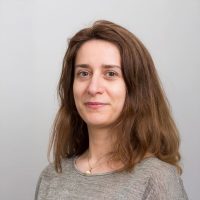
ORGANIZING COMMITTEE​​

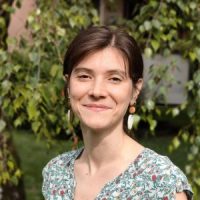
LauraFerreri

Laura Ferreri

University of Pavia, Italy

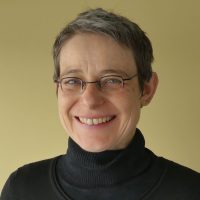
CarlottaLega-300x300

Carlotta Lega​

University of Pavia, Italy

PARTNERS (Erasmus+ BIP)​

PeterKeller-ok

Peter Keller​

Aarhus University, Denmark

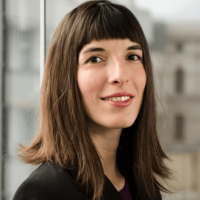
BarbaraTillmann

Barbara Tillmann​

Université de Bourgogne Europe, France

The school is supported by University of Pavia, ESCOP (European Society for Cognitive Psychology) and Erasmus+ BIP (Blended Intensive Program).

The aims and scope of the summer school align with the Brain, Body & Behavior integrative approach of the Excellence Program at the Department of Brain and Behavioral Sciences, University of Pavia.

PROGRAM & LECTURERS

SCIENTIFIC CONTENT

The Summer School will take place from Monday, June 22 (afternoon) to Friday, June 26 (morning).

In the morning sessions, participants will engage with state-of-the-art research through lectures by internationally renowned scholars, complemented by interactive activities and open discussions. These sessions will address key topics: music across development, sensorimotor and predictive processing, affective responses, and social processes in music cognition.

The afternoon sessions will be dedicated to a “Where are we going?” perspective, aiming to foreground the major theoretical and methodological challenges of the field and to explore emerging research questions and future directions. Topics will include: music beyond the human species, methodological innovations such as hyperscanning, and crucial experimental challenges, including multilab and large-scale collaborative studies.

In turn, these sessions will foster critical discussion, interdisciplinary exchange, and reflection on how current approaches can be expanded within the psychology and neuroscience of music in the years to come.

For Erasmus+ BIP students from partner universities, additional online classes are also planned before and after the Summer School.
LECTURERS

RobertZatorre

Robert Zatorre

Montreal Neurological Institute & BRAMS International Laboratory for Brain, Music and Sound Research, Canada

VirginiaPenhune

Virginia Penhune

Concordia University, Canada

roberta bianco

Roberta Bianco

University of Pisa, Italy

Felix-Bigand-foto-300x297

Felix Bigand

Italian Institute of Technology of Rome, Italy

brattico

Elvira Brattico

Aarhus University, Denmark & University of Bari Aldo Moro, Italy

AliceCancer-ok

Alice Cancer

Catholic University of Milan, Italy

LauraCirelli-ok

Laura Cirelli

University of Toronto Scarborough, Canada

Federico-Curzel-foto-300x300

Federico Curzel

University of Pavia, Italy

LauraFusarPoli-ok

Laura Fusar-Poli

University of Pavia, Italy

Massmo Grassi

Massimo Grassi

University of Padua, Italy

ErnestMasHerrero

Ernest Mas-Herrero

University of Barcelona, Spain

tomas lenc

Tomas Lenc

Basque Center on Cognition, Brain & Language (BCBL), Spain

TomasMatthews

Tomas Matthews

Aarhus University, Denmark 

GiacomoNovembre-300x300

Giacomo Novembre

Italian Institute of Technology of Rome, Italy

AntonioPisani

Antonio Pisani

University of Pavia, Italy

Andrea-Ravignani-Foto-300x300

Andrea Ravignani

Sapienza University of Rome, Italy

SOCIAL PROGRAM

A welcome cocktail will be held on Monday afternoon at the end of the first session, offering participants an opportunity to meet and connect.

On Thursday evening, a dinner will be held for all participants, preceded by a social activity to explore and experience the city of Pavia.

FEES & DEADLINES

The school will be open to 30 qualified and selected participants.

REGISTRATION FEE

The registration fee is 390 euros and include:

  • All lectures and course materials
  • Wi-Fi and coffee breaks
  • Lunches (from Tuesday to Thursday)
  • Welcome cocktail
  • Social activity and dinner

Note: Accommodation and travel are not included.

Participants from partner universities (Aarhus University, Université Bourgogne Europe) are eligible for financial support through the Erasmus+ BIP program.

DEADLINES

  • student application: 15 March 2026 (23:59 CET)
  • notification of acceptance: 25 March 2026 
  • registration and payment for accepted students: 15 April 2026 (23:59 CEST)

APPLICATION

Applications are now closed. Thank you for your interest!

VENUE

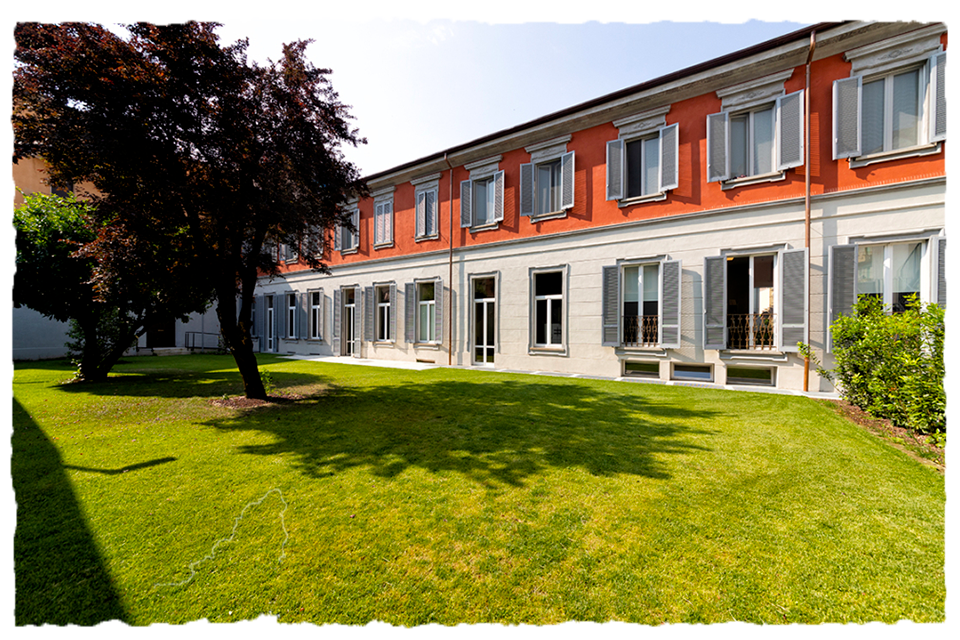
The Summer School will take place at the University of Pavia, one of the oldest universities in Europe. Pavia is a vibrant student city with a strong academic tradition and a lively atmosphere.

Pavia is a 25–35 minute train ride from Milan and offers easy access to the Ligurian coast, the Apennine mountains, and many culturally and historically rich destinations across Italy.
View on Google Maps

A range of accommodation options is available in the city, including hotels, B&B, student residences, shared flats and private apartments, many within easy reach of the university.

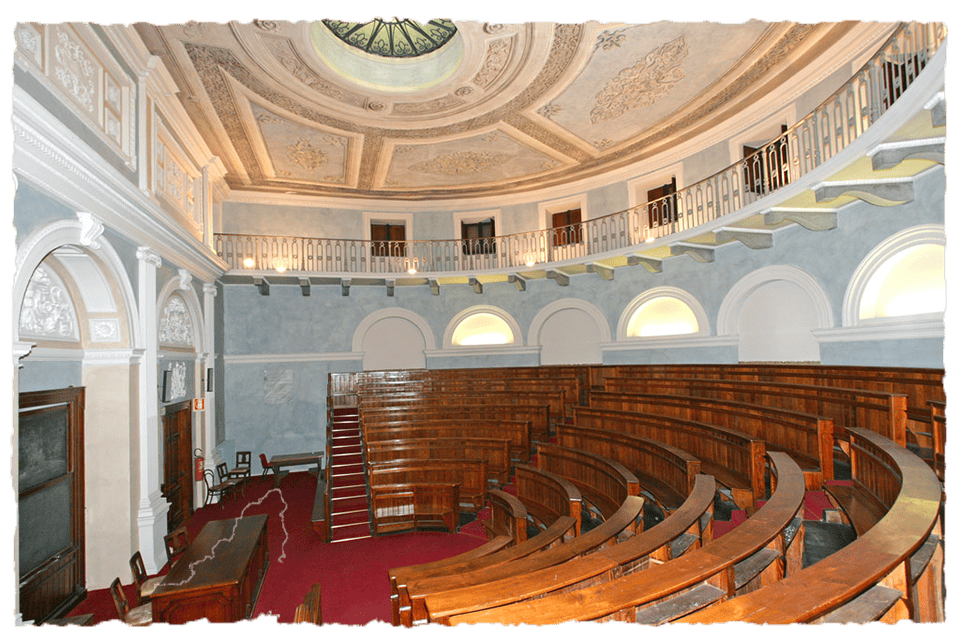
Lectures will be held in the Aula Golgi, a historic frescoed amphitheatre located inside the Camillo Golgi Museum. Camillo Golgi was awarded the 1906 Nobel Prize in Physiology or Medicine for his work on the structure of the nervous system, making it an inspiring venue for studying and discussing the neuroscience of music.

The organizing committee remains available to provide any further information or assistance
regarding accommodation and local arrangements.

CONTACTS

For any additional information about the school, you can contact the organizing committee at:

laura.ferreri@unipv.it and carlotta.lega@unipv.it